
Something interesting is happening in athleisure right now, and it’s bigger than leggings.
Lululemon built the premium athleisure category from scratch. For over two decades, the brand defined what it meant to pay $128 for a pair of leggings and feel good about it. Community yoga classes, technical fabrics with proprietary names, that unmistakable shopping bag. At $11 billion in annual revenue and 750 stores worldwide, they’re still the Goliath.
But Goliath is stumbling.
The Cracks in Lululemon’s Armor
In late 2025, HSBC downgraded Lululemon, calling the brand “in a downward spiral.” That same fall, CEO Calvin McDonald acknowledged on an earnings call what industry watchers had been whispering for months: “We have become too predictable within our casual offerings.” He stepped down in January 2026. No permanent replacement has been named.
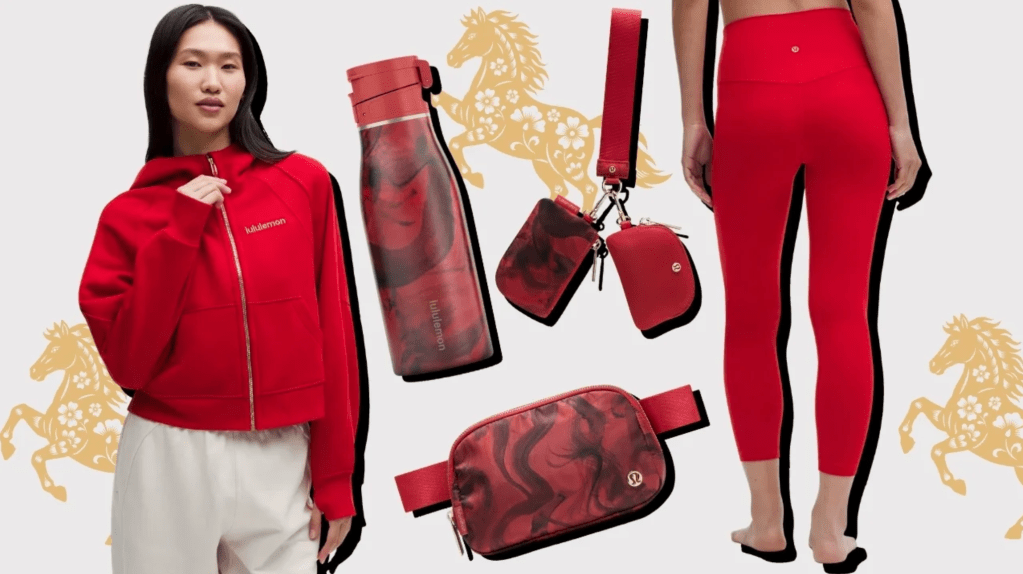
The numbers tell the story. While international sales (especially China, up 46% in Q3 2025) remain strong, the Americas — Lululemon’s home market — posted a 2-3% comparable sales decline. Inventory ballooned to $1.7 billion. The founder, Chip Wilson, went public on LinkedIn calling recent quality issues a “total operational failure.” When your founder is roasting you on social media, it’s not a great sign.
The core problem isn’t financial — it’s cultural. Lululemon lost its position as the brand trendsetters reach for first.
Enter Alo Yoga: The $4 Billion Challenger
That position now belongs to Alo Yoga.
Founded in Los Angeles in 2007, Alo crossed $1 billion in annual revenue by 2022 and has been growing at 40%+ year over year. Its valuation hit $4 billion in late 2023. The brand is preparing for an IPO and targeting 100 global stores by 2026, including its first Asian flagship in Seoul.
What makes Alo different isn’t the fabric — it’s the identity play. Where Lululemon sells performance, Alo sells aspiration. The aesthetic is fashion-forward athleisure: garter details, corset jackets, calm neutrals that justify a 20-30% price premium not through technical specs but through cultural positioning. Over 8 million Instagram posts carry the #AloYoga hashtag — not because the brand paid for them, but because wearing Alo signals something about who you are.

The data backs up the vibes. According to Earnest Analytics, customers who originally shopped at Lululemon and then tried Alo ended up spending more annually at Alo ($660) than at Lululemon ($600) six years later. That’s not trial — that’s a full migration of customer lifetime value.
And Alo isn’t alone. Vuori, valued at $5.5 billion, is aggressively capturing the men’s athleisure market with 100 stores planned by 2026. Together, these challengers share massive shopper overlap with Lululemon — 63% for Alo, 52% for Vuori — which means they’re not growing the pie. They’re eating Lululemon’s slice.

The Shein Factor: $18 Leggings and the Dupe Economy
Then there’s the threat from below.
Shein’s Glowmode collection has become TikTok’s favorite Lululemon dupe. At $18-23 for leggings that reviewers consistently describe as “buttery soft” and “basically the same,” Shein isn’t competing on brand — it’s making the argument that premium athleisure is overpriced. The hashtag #LululemonDupe has billions of views.
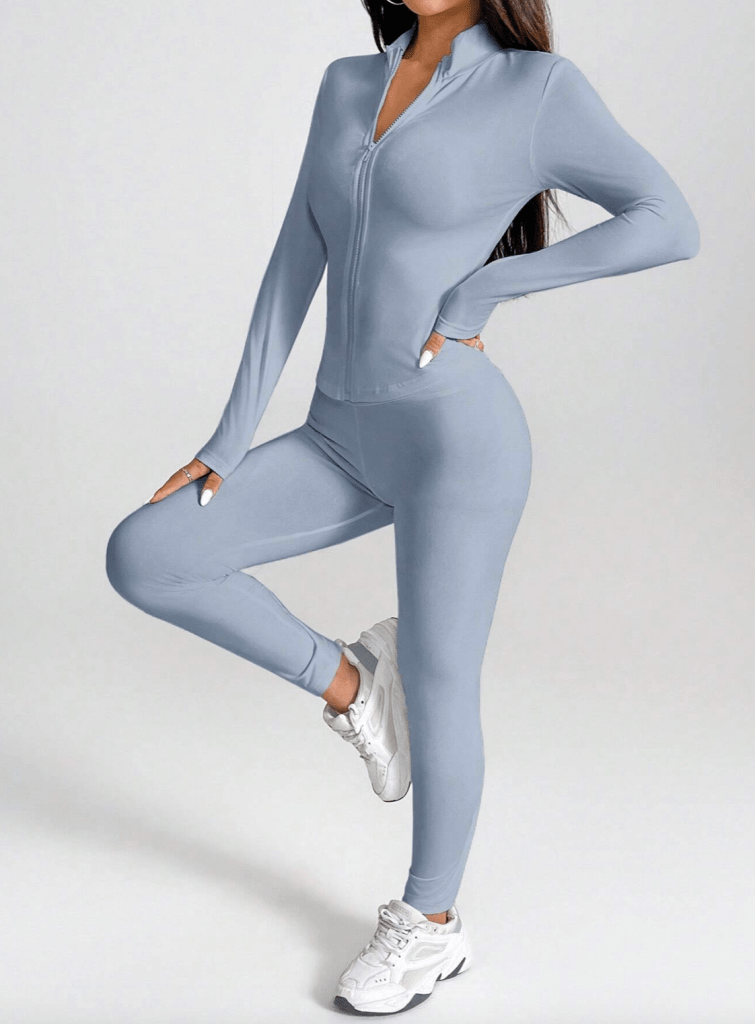
This matters because it reveals a vulnerability in the athleisure pricing model. When a $128 legging and an $18 legging are visually indistinguishable in a TikTok video, the $128 brand needs something beyond product to justify the gap. Lululemon’s answer used to be community and innovation. Alo’s answer is identity and aspiration. Shein’s answer is: why bother?
For brands caught in the middle — not aspirational enough to command Alo prices, not innovative enough to justify Lululemon’s — the squeeze is real.
What the Data Reveals: A Three-Tier Market
The athleisure market, projected to exceed $500 billion by 2030, is splitting into three distinct tiers:
Tier 1 — Aspiration brands (Alo Yoga, emerging players): Win on cultural relevance, influencer authenticity, and lifestyle positioning. Growth rates of 40%+. The customer is paying for identity.
Tier 2 — Performance incumbents (Lululemon, Nike, Adidas): Win on scale, technical innovation, and distribution. Still dominant by revenue but losing mindshare with younger consumers. Lululemon’s 6.3% market share trails Nike’s 27% and Adidas’s 19% — but it’s the premium segment that’s being contested.
Tier 3 — Fast-fashion disruptors (Shein, CRZ Yoga via Amazon): Win on price and speed. Zero brand loyalty but enormous volume. Eroding the category’s pricing power from below.
The brands that will struggle most are those stuck between tiers — premium enough to be expensive, but not distinctive enough to be aspirational.
What This Means for the Industry
The athleisure wars reveal a pattern that plays out across all of fashion: the middle is getting squeezed. You either need to be culturally essential (Alo), operationally unassailable (Nike), or impossibly cheap (Shein). Everything else is fighting for scraps.
For retailers and buyers, this means traditional approaches to assortment planning — “stock what sold last season plus 5%” — are increasingly dangerous. The signals that predict which brands will win next quarter aren’t in historical sales data. They’re in social sentiment, influencer adoption curves, and real-time demand signals that most planning tools can’t see.
This is, not coincidentally, exactly the kind of intelligence gap that data-driven trend analysis is built to fill. When a brand like Alo goes from niche yoga label to $4 billion challenger in three years, the early signals are there — in search trends, social velocity, price positioning, and assortment evolution. The question is whether the industry’s tools can read them fast enough.
The athleisure market isn’t just growing. It’s reorganizing. And the brands that understand the new structure will be the ones still standing when the dust settles.




 Retail Therapy